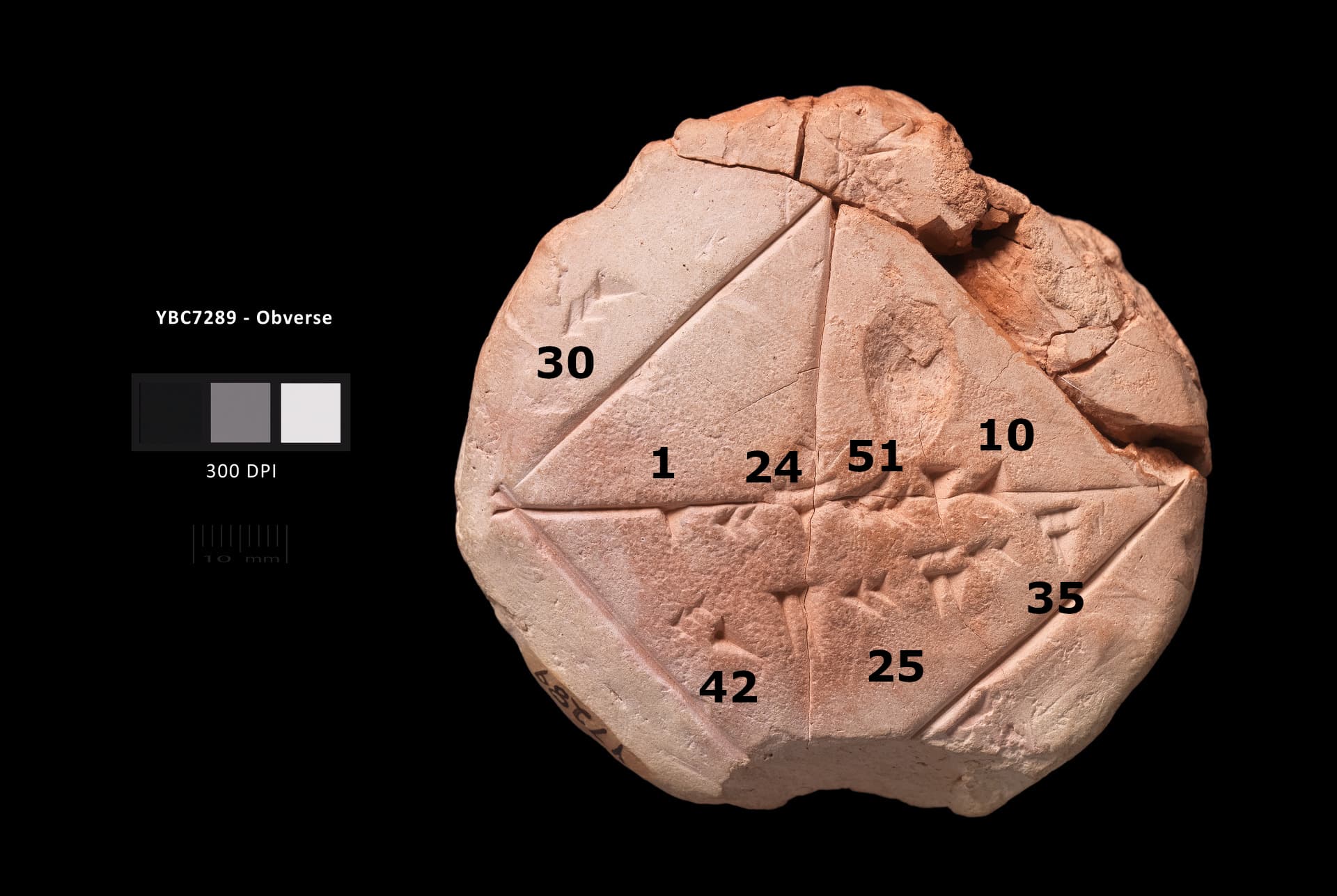
Sixty seconds to the minute, sixty minutes to the hour, three hundred and sixty degrees to a circle. Not one of those numbers is a ten. We decimalised money, distance and weight — France even tried to decimalise the clock — and yet time still counts in sixties, because a civilisation in southern Iraq liked a number that divides cleanly.
Look at a clock. Sixty seconds to the minute, sixty minutes to the hour, twenty-four hours to the day, three hundred and sixty degrees to a circle. Not one of those numbers is a ten. We decimalised money, distance, weight and volume — France went so far as to guillotine the old units along with the old regime — and yet the thing you check forty times a day still counts in sixties, because a civilisation in southern Iraq liked a number that divides cleanly, and nobody since has managed to talk us out of it.
A Number Chosen Because It Splits Well
Base 60 is Sumerian, inherited and perfected by the Babylonians, who turned it into the world’s first true place-value number system some four thousand years ago. Why sixty? Nobody is certain, and the honest answer is that historians offer competing theories.
Theon of Alexandria, writing in the fourth century AD, thought it was about division: sixty is the smallest number that divides evenly by one, two, three, four, five and six. Others suspect an accident of conquest — that a people counting in twelves merged with a people counting in fives, and sixty was the number both sides could agree on. There is also a tidy finger-counting explanation: twelve segments on the four fingers of one hand, counted off with the five fingers of the other.
Whatever the reason, the choice was a good one. Sixty divides evenly twelve ways — by 1, 2, 3, 4, 5, 6, 10, 12, 15, 20, 30 and 60. A hundred manages only nine, and none of them are thirds, sixths or twelfths. So a third of an hour is twenty minutes exactly, while a third of a hundred is 33.333, forever. The decimal system is better for counting and worse for cutting things up, and time is something we divide by three all day long.
Twelve Hours Because of Thirty-Six Stars
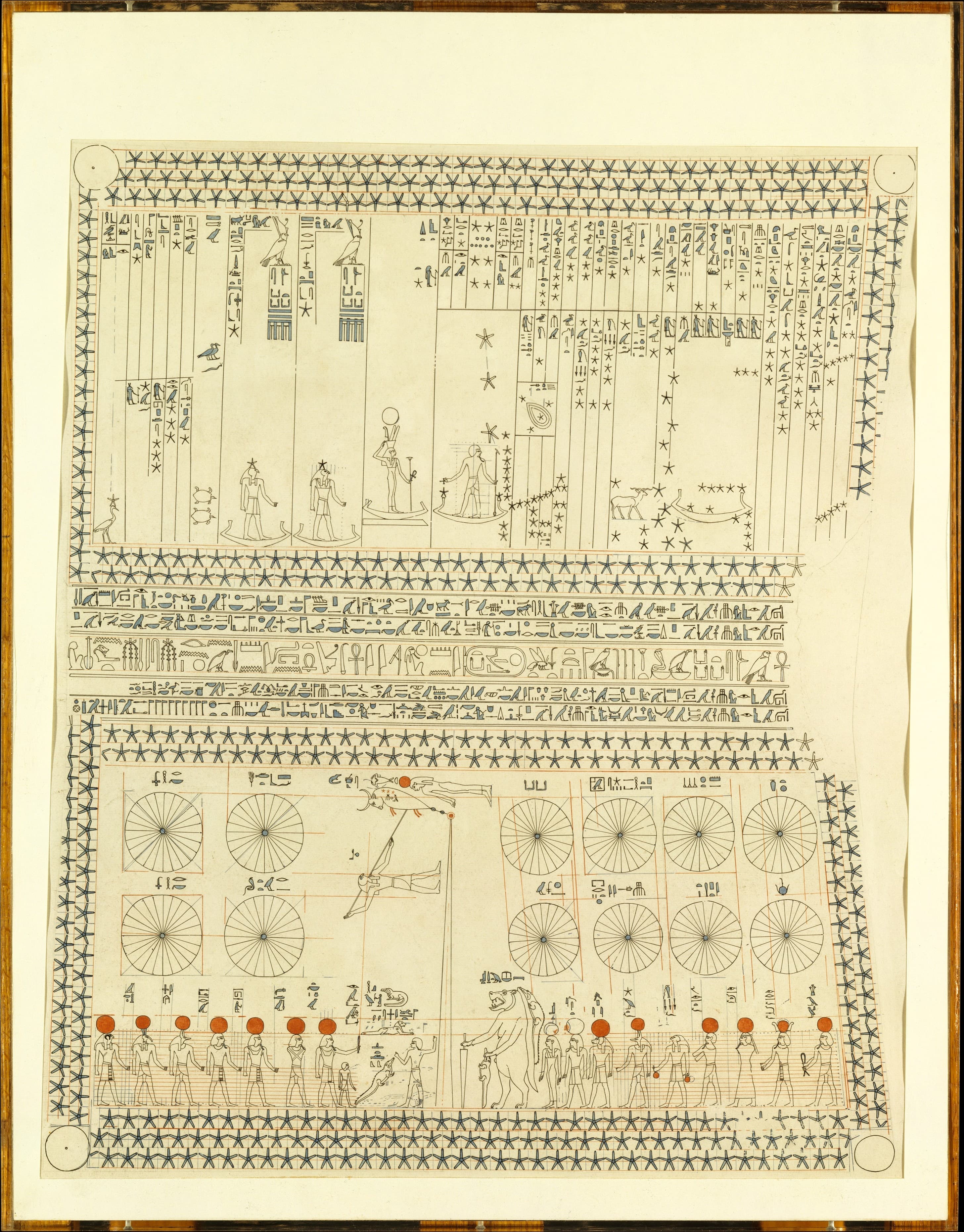
The twenty-four-hour day is Egyptian, and it came from the sky rather than from arithmetic. Egyptian astronomers tracked thirty-six small constellations called decans, which rose one after another over the horizon through the night. Each rising marked a new hour. Thirty-six decans, ten days each, gave a 360-day year — accurate enough to predict the Nile flood, which was the only forecast that mattered.
By the New Kingdom the system had simplified to twelve stars for the night and twelve divisions for the day. But these hours were not the hours you know. They stretched and shrank with the seasons, because twelve of them had to fill the daylight whether the daylight lasted nine hours or fifteen. An Egyptian summer hour was substantially longer than an Egyptian winter hour, and everyone simply lived with it. So did Greece, Rome and medieval Europe, for roughly three thousand years.
The Greeks Named the Minute — Then Nobody Could Measure It
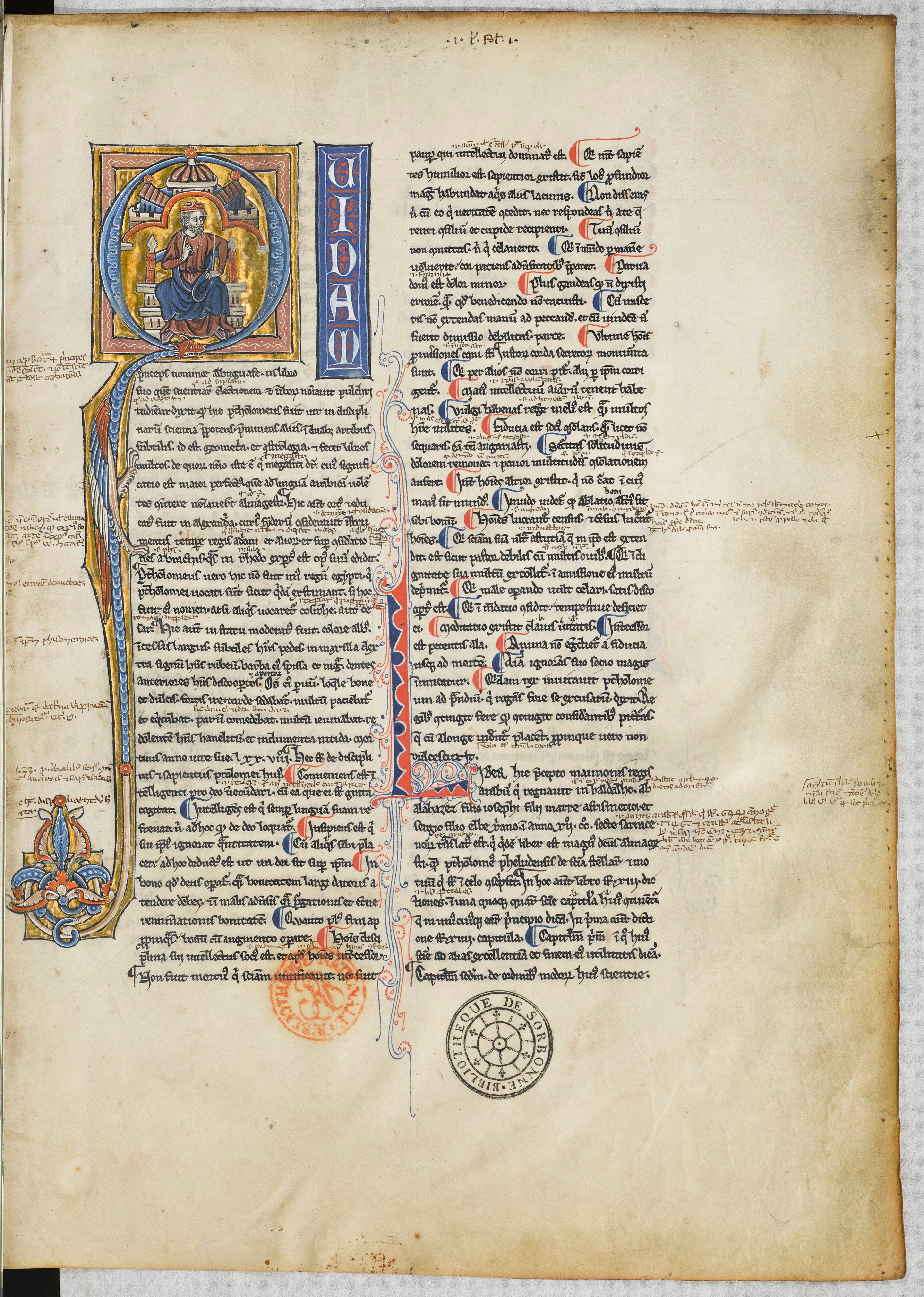
Around the second century BC, the astronomer Hipparchus proposed cutting the day into twenty-four equinoctial hours: hours of fixed length, taken from the two days a year when light and dark are equal. It was a mathematician’s convenience, useful for calculation and ignored by everyone else.
The naming came with the astronomers too. Working in inherited Babylonian sexagesimal, they divided the degree — and the hour — into sixty parts, then divided those parts by sixty again. In Latin the first cut was the pars minuta prima, "the first small part," and the second cut was the pars minuta secunda, "the second small part." That is all the words mean. Your minute is a small piece. Your second is merely the second small piece, named after its position in a queue.
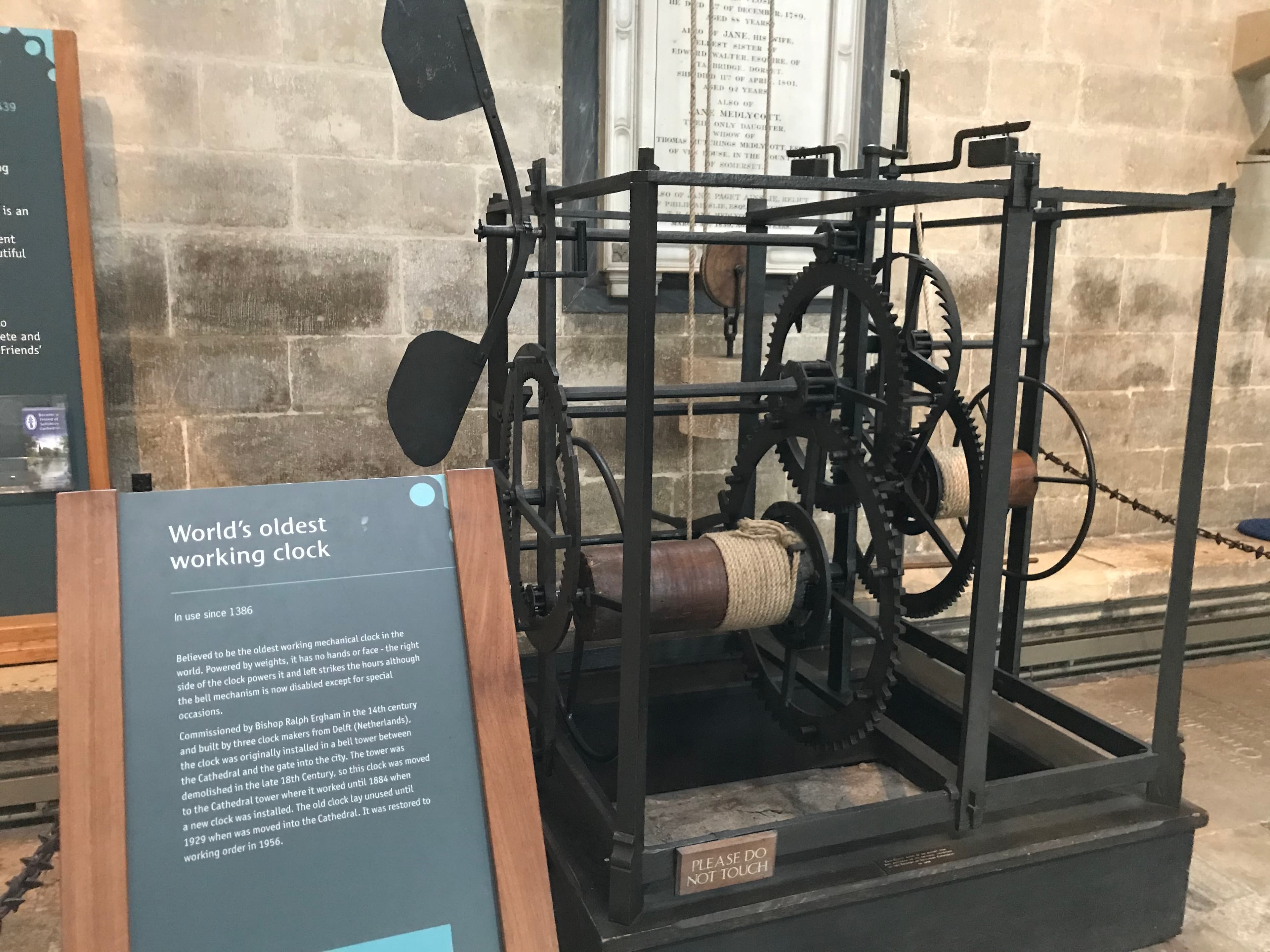
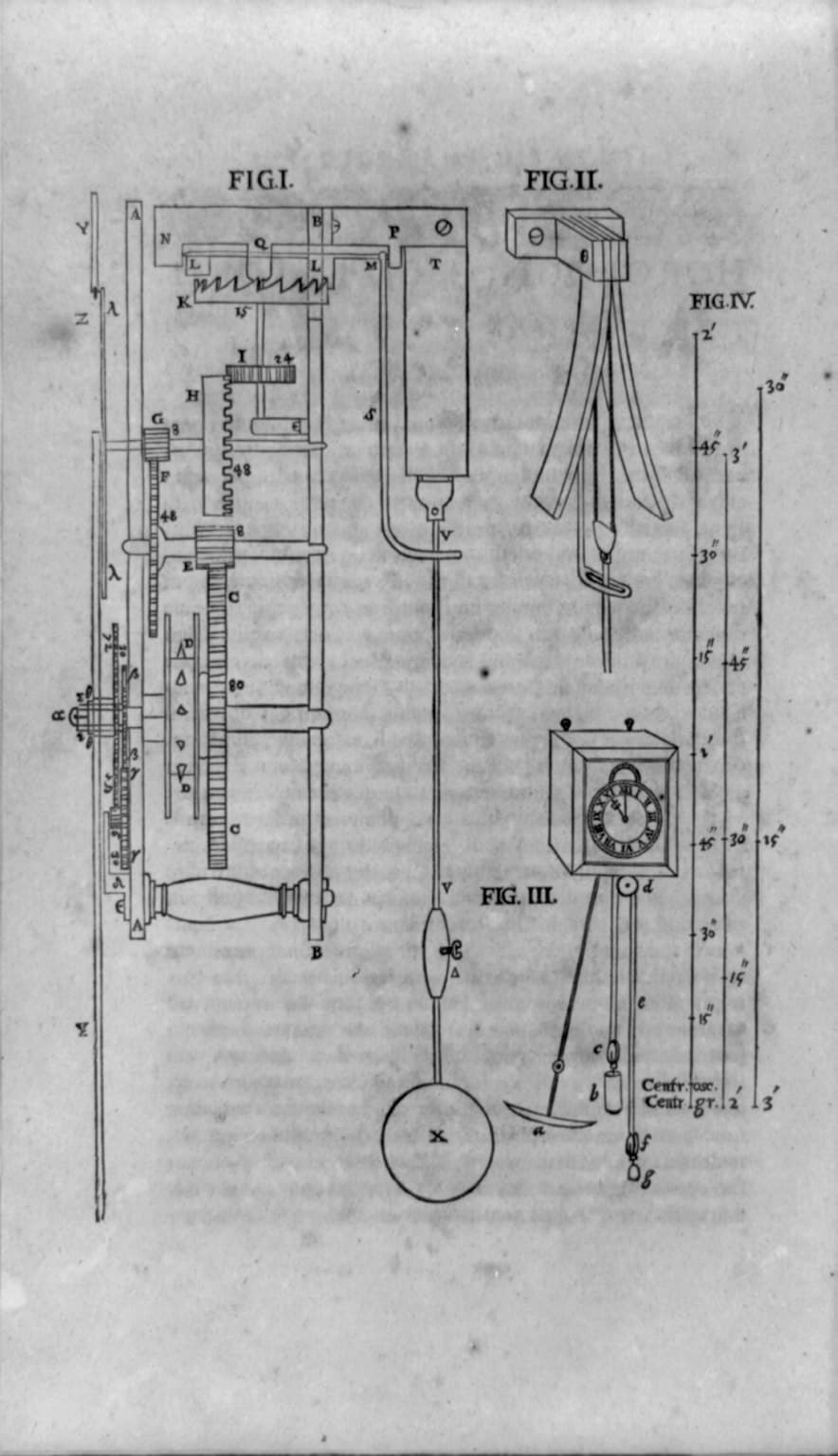
Then comes the strangest part of the story. Having named these units in antiquity, nobody could actually measure one for the next fifteen hundred years. Mechanical clocks appeared in Italian church towers in the first half of the 1300s, and most of them had a single hand — some had no dial at all, and existed only to strike a bell. Only when Christiaan Huygens built the first pendulum clock in 1656, cutting the daily error to under a minute, did it become worth painting minute markings on a face. The second was named in the ancient world and became visible in the 1600s.
France Tried to Abolish It
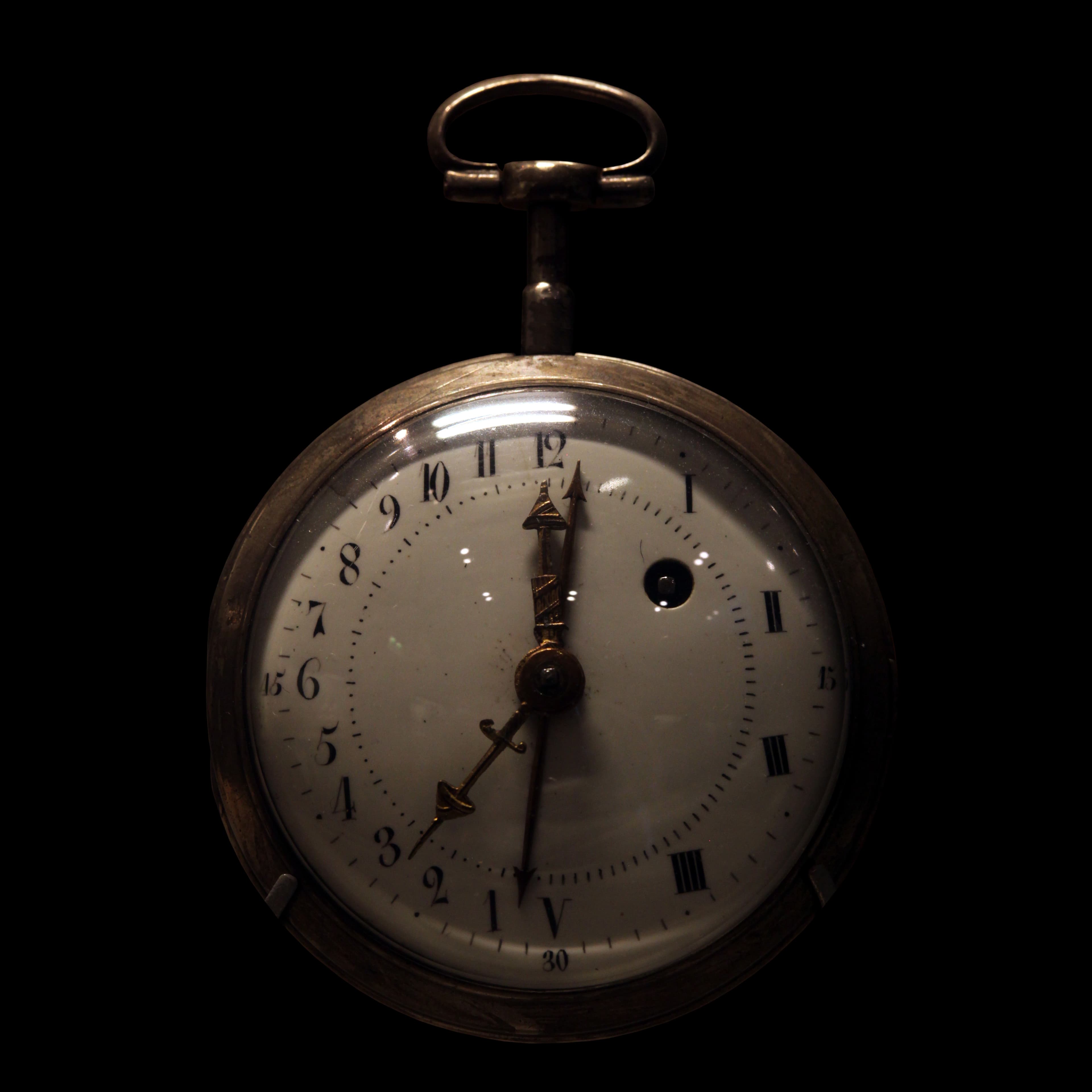
The one serious attempt to kill base 60 came from the people who successfully decimalised everything else. On 5 October 1793 the French Republic decreed decimal time: ten hours in a day, one hundred minutes in an hour, one hundred seconds in a minute. A further decree followed in February 1794, and clockmakers were invited to compete to produce the new timepieces.
Almost nobody built them, and almost nobody used them. On 7 April 1795 decimal time was suspended indefinitely — after roughly eighteen months, and barely any of that in force. The same revolution gave the world the metre and the kilogram, which are still with us; its decimal clock is a museum curiosity. Napoleon dropped the revolutionary calendar entirely on 1 January 1806. The Paris Commune revived decimal time briefly in 1871, and it died again.
It Is Still Running Your Phone
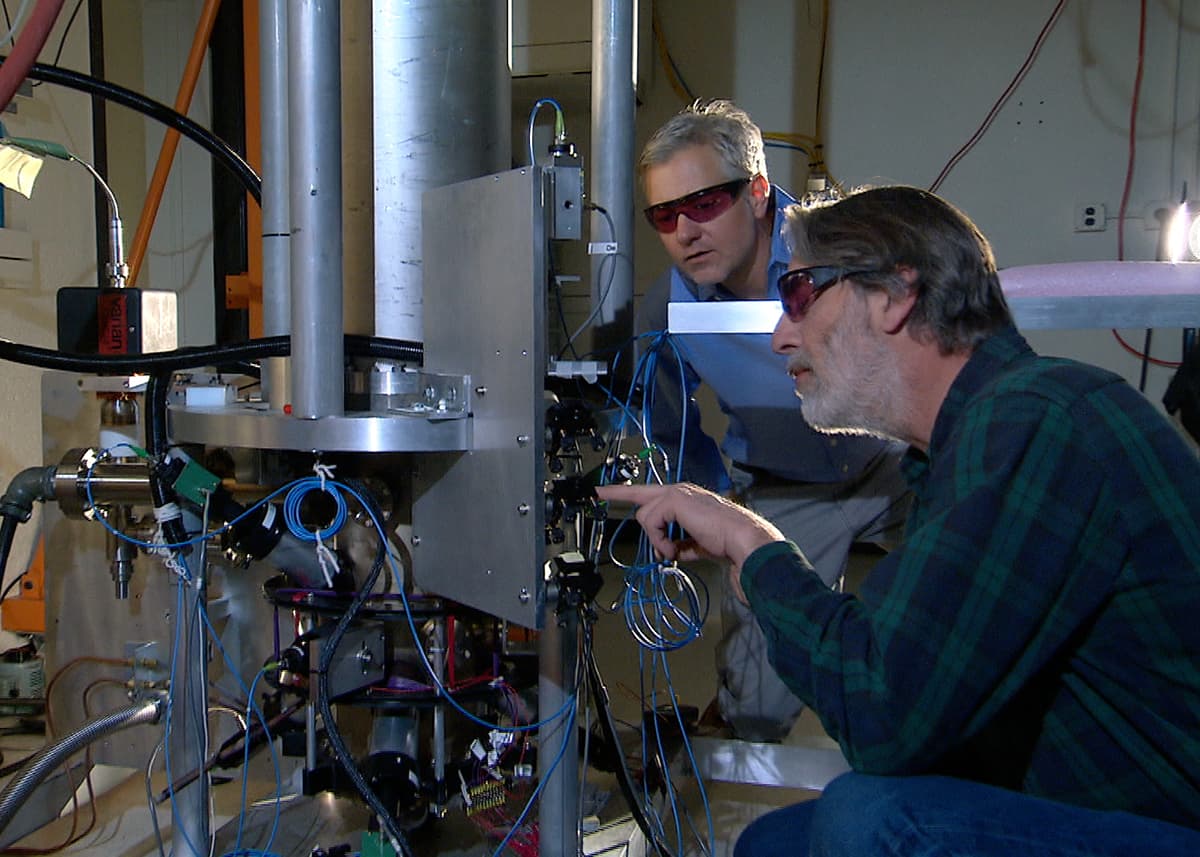
In 1967 the General Conference on Weights and Measures redefined the second in terms of an atom: 9,192,631,770 oscillations of caesium-133. This sounds like a clean break from Babylon, and it is the opposite of one. The number was chosen precisely to make the new atomic second match the old astronomical second as closely as measurement allowed. Modern physics did not replace the Babylonian unit — it froze it, permanently, at the length inherited from the sky.
And it did not stop at clocks. Every circle is still 360 degrees. Every degree of latitude splits into sixty minutes, and every minute into sixty seconds, which is why the coordinates that put a pin on your map are written in the same notation an Assyrian scribe would have recognised. Your phone locates you on the surface of the earth using base 60, reports the time in base 60, and shows you both on a decimal screen without ever mentioning the contradiction.
Fun Fact
The word "second" contains no idea of speed, brevity or ticking. It means the second one — the second time you chop something into sixty. The unit that now anchors the international system of measurement, and against which the metre itself is calibrated, is named with a Latin ordinal that essentially says the next bit after the first bit.
Sources
MacTutor History of Mathematics, University of St Andrews, "Babylonian numerals" — the sexagesimal system, its Sumerian inheritance, and the competing theories for base 60.
Country Life, "Why is a day divided into twenty-four hours?" — Egyptian decans, the 360-day year, seasonal hours, and Hipparchus’s equinoctial hours.
BBC Science Focus, "How was the length of a second first calculated?" — pars minuta prima and pars minuta secunda.
NIST, "A Walk Through Time: A Revolution in Timekeeping" — 14th-century tower clocks and Huygens’s pendulum clock of 1656.
Fondation de la Haute Horlogerie, "Revolutionary French Calendar and Decimal Time" — the decrees of 5 October 1793 and February 1794, the suspension of 7 April 1795, and the 1871 revival.
Physikalisch-Technische Bundesanstalt (PTB), "What is a second?" — the astronomical definition and the 1967 caesium-133 definition.
More in Things we use

Things we use
The Holy Origins of Cappuccino
You order one without thinking about it. It is named after a religious order — but not for the reason almost everyone thinks.
Things we use
Measuring The Historical Yard
Before standardized measurement, kingdoms used body parts as units. The yard was once literally the length of a king's arm. Explore the chaotic world of historical measurement.

Things we use
Ancient Medicines Lost for 1000 Years
The fall of Rome didn't just end an empire — it buried centuries of medical knowledge. Discover which ancient remedies were lost to history and how some were rediscovered.