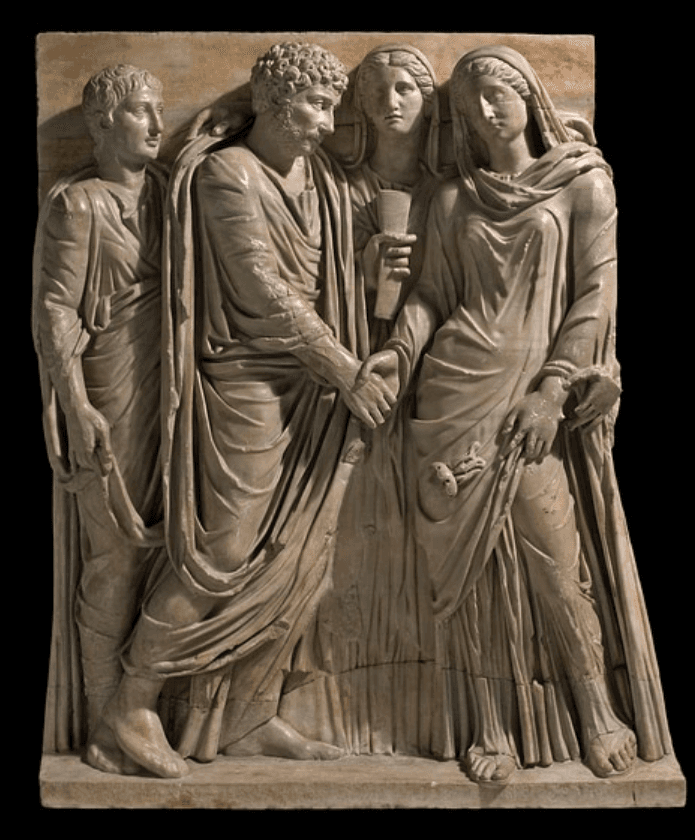
If you have ever worn a dress identical to four other people at a wedding, you may have wondered who invented this peculiar custom. The answer leads back to Ancient Rome — and the original reason had nothing to do with photographs. It had to do with fooling demons.
If you have ever stood in a wedding party wearing a dress identical to four other people — chosen by someone else, in a color you would never have picked — you may have wondered who invented this peculiar custom. The answer, like so many of our traditions, leads us back to Ancient Rome. And the original reason had nothing to do with looking nice in photographs. It had to do with fooling demons.
Rome and the Ten Witnesses
In Ancient Rome, a marriage was not merely a romantic affair but a legal one. Roman law required that a wedding be witnessed, and tradition called for a party of guests to accompany the bride. But the role of these attendants went far beyond signing a document. The Romans were a deeply superstitious people, and they believed that a wedding was a moment of great danger. Evil spirits, jealous ex-suitors, and malevolent forces were thought to be drawn to the happy couple, eager to curse the bride or steal away her good fortune.
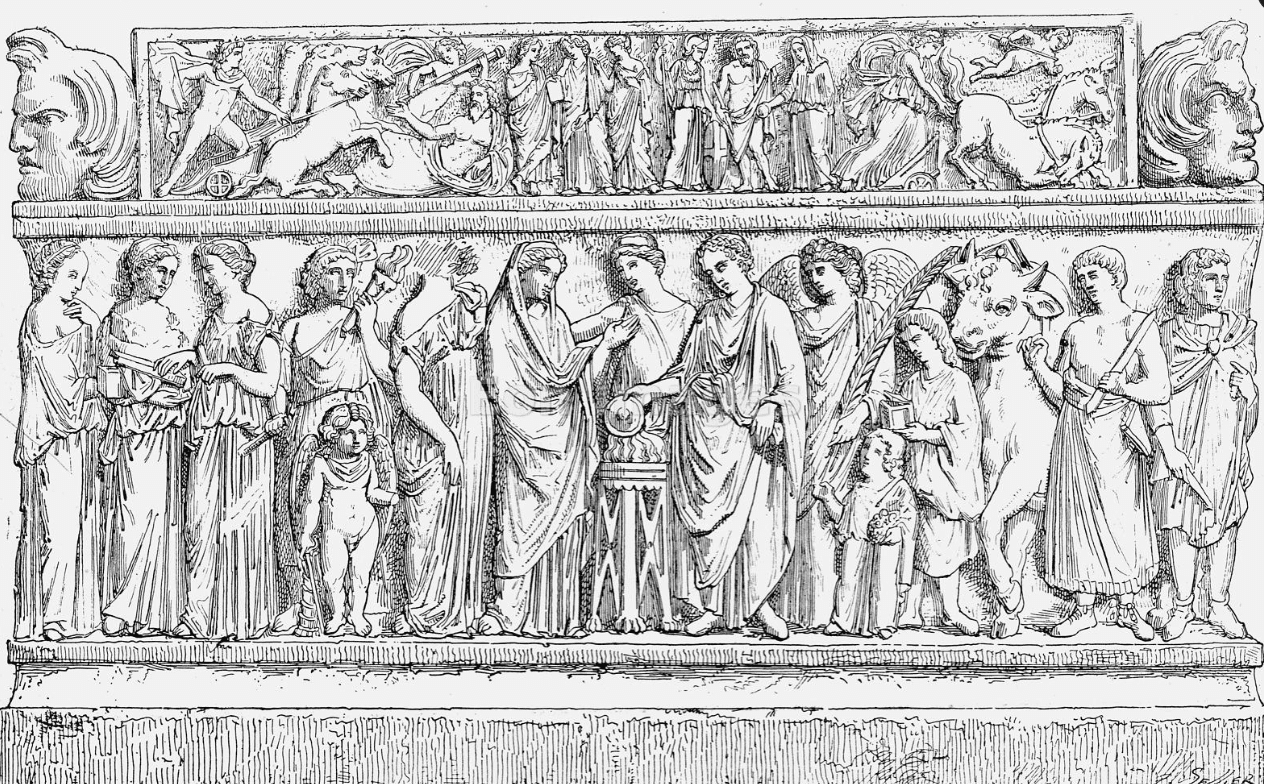
The solution was wonderfully simple: confuse them. The bride’s attendants — and the groom’s, too — would dress in clothing nearly identical to the couple themselves. Surrounded by a crowd of look-alikes, the bride became impossible to single out. Any spirit arriving to do harm would find a sea of matching figures and, hopefully, give up and go home.
A Human Shield Against Evil
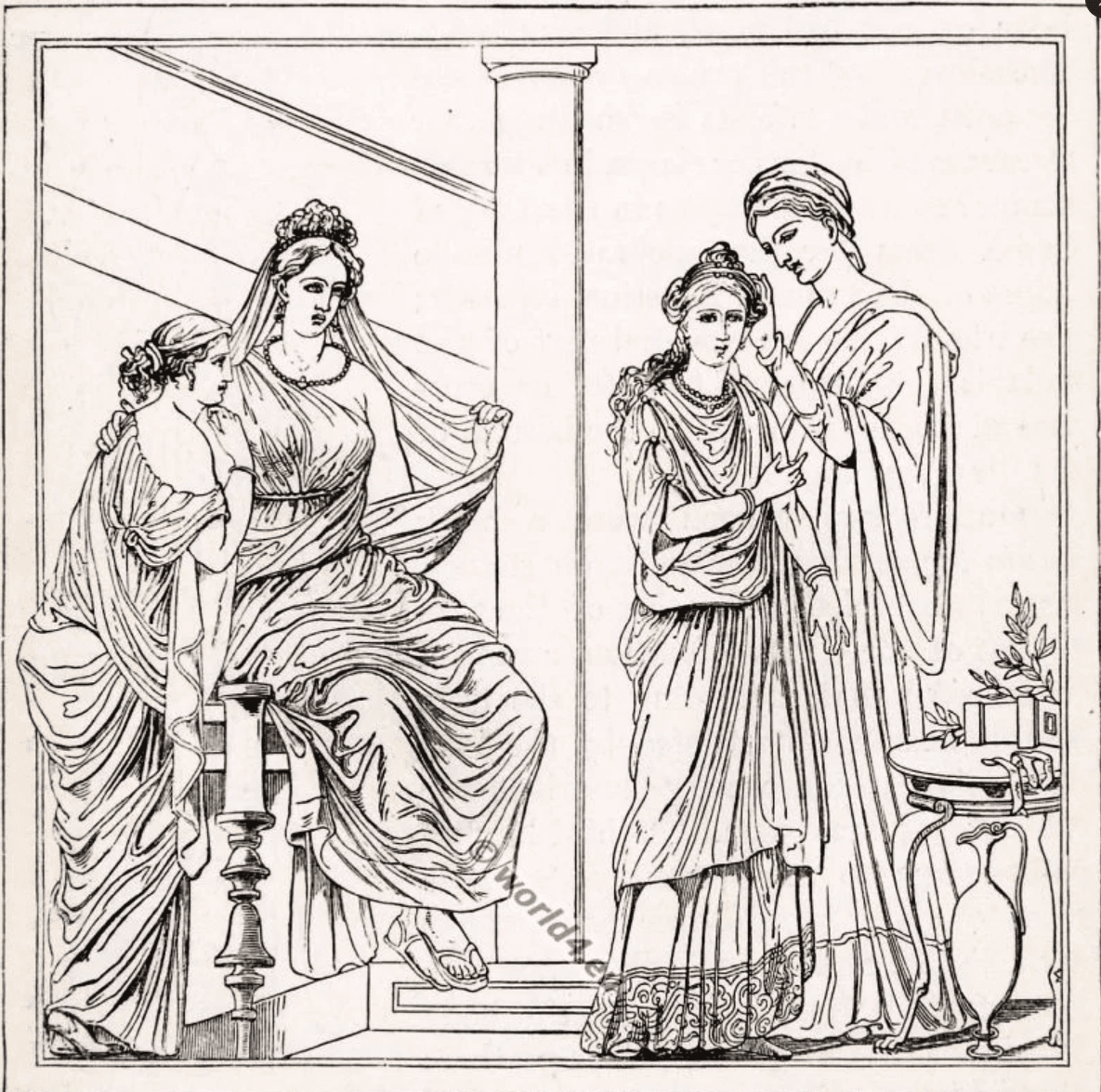
In other words, the original bridesmaid was not a fashion accessory but a decoy — a piece of spiritual camouflage. The maids formed a kind of human shield, willing to absorb a curse meant for the bride. Some historians add a more earthly danger to the mix: on the journey from the bride’s home to the groom’s, attendants could also help protect her from bandits or rival families hoping to abduct her before the union was sealed. Whether the threat was a demon or a thief, the principle was the same — safety in matching numbers.
The Tradition Survives, the Reason Does Not
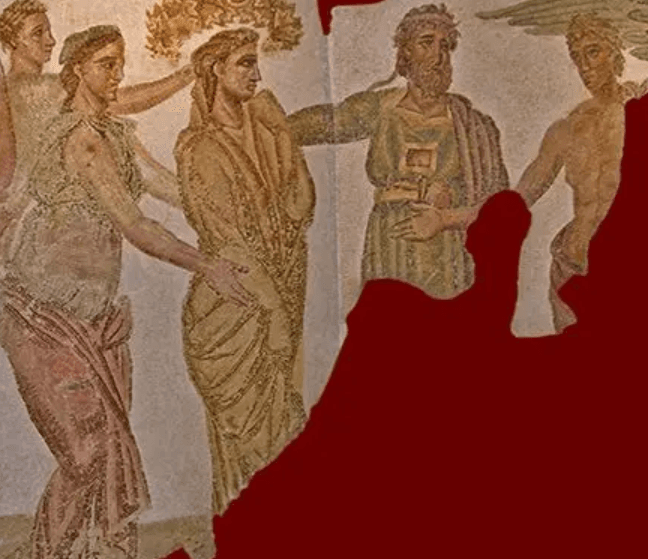
As Rome’s customs spread across Europe and blended with local traditions, the practice endured even as the belief behind it faded. By the Victorian era, matching bridesmaids had become a firm fixture of the proper wedding, though now the emphasis was on elegance and display rather than warding off spirits. It was around this time that bridesmaids began to wear colors distinct from the bride, so that she would finally stand out as the center of attention — the exact opposite of the original Roman goal of helping her blend in.
And so the custom flipped on its head. What began as a clever trick to hide the bride now exists to highlight her. Yet the matching dresses remain, a quiet echo of a two-thousand-year-old attempt to outwit the forces of darkness.
Fun Fact
The Roman groom had his own set of decoys. The groomsmen, sometimes called the “bride-knights,” were often chosen for their strength — not to give toasts, but to fight off anyone who tried to disrupt the ceremony. The best man may well take his name from being, quite literally, the best fighter of the bunch.
More in Things we do

Things we do
The Ancient Origins of Fast Food
White Castle, 1921. McDonald’s, 1948. We are fairly sure America invented eating standing up at a counter, in a hurry, out of paper. Pompeii had 158 of them.
Things we do
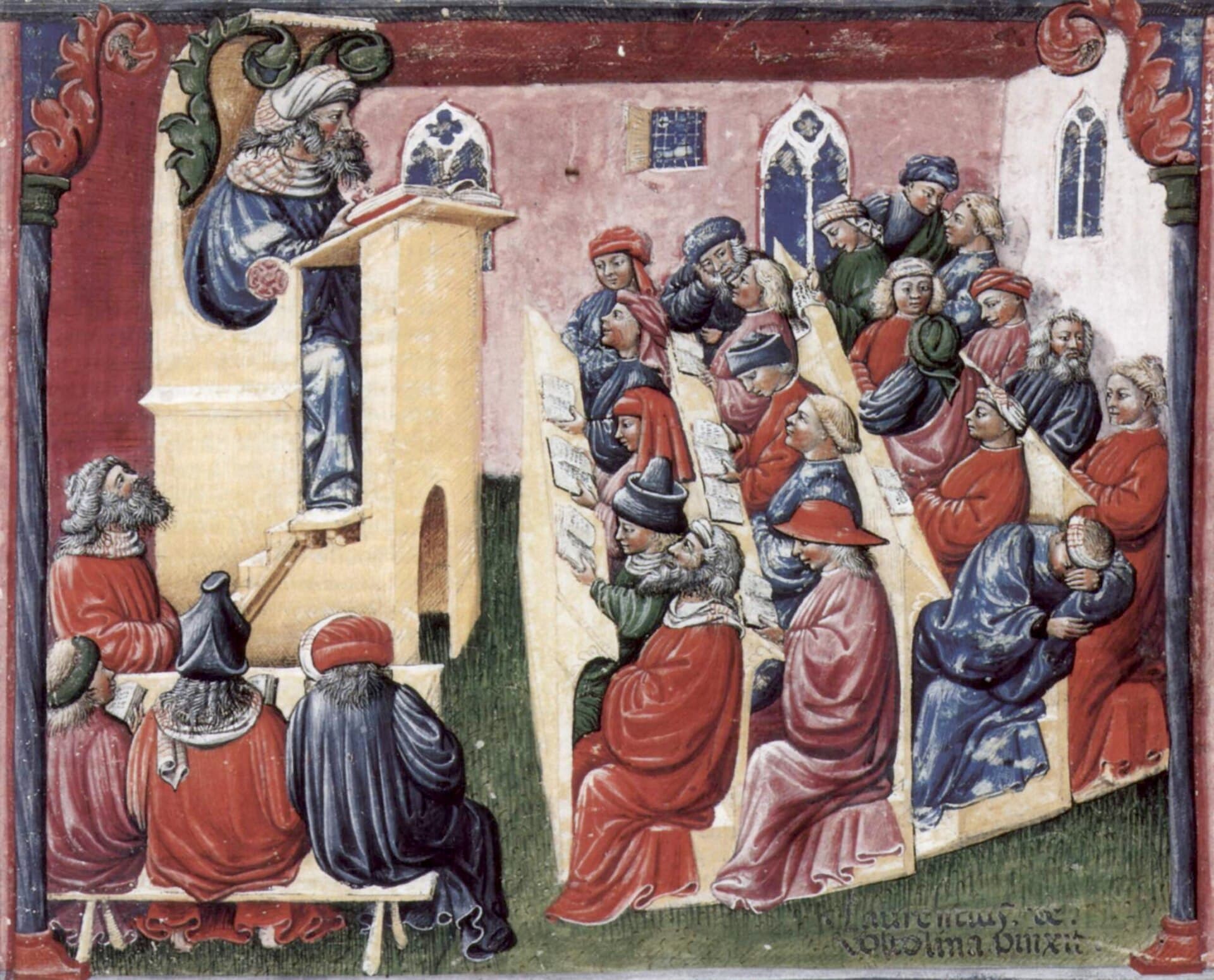
Why Do Graduates Dress Like Medieval Clerics? Blame the Cold
Every spring, millions of people put on a black tent, drape a strip of coloured silk down their back and balance a flat square board on their head. Nobody thinks this is strange. It is, in fact, the working uniform of a 13th-century churchman — right down to the hat, designed to keep a shaved head warm in an unheated stone room.
Things we do
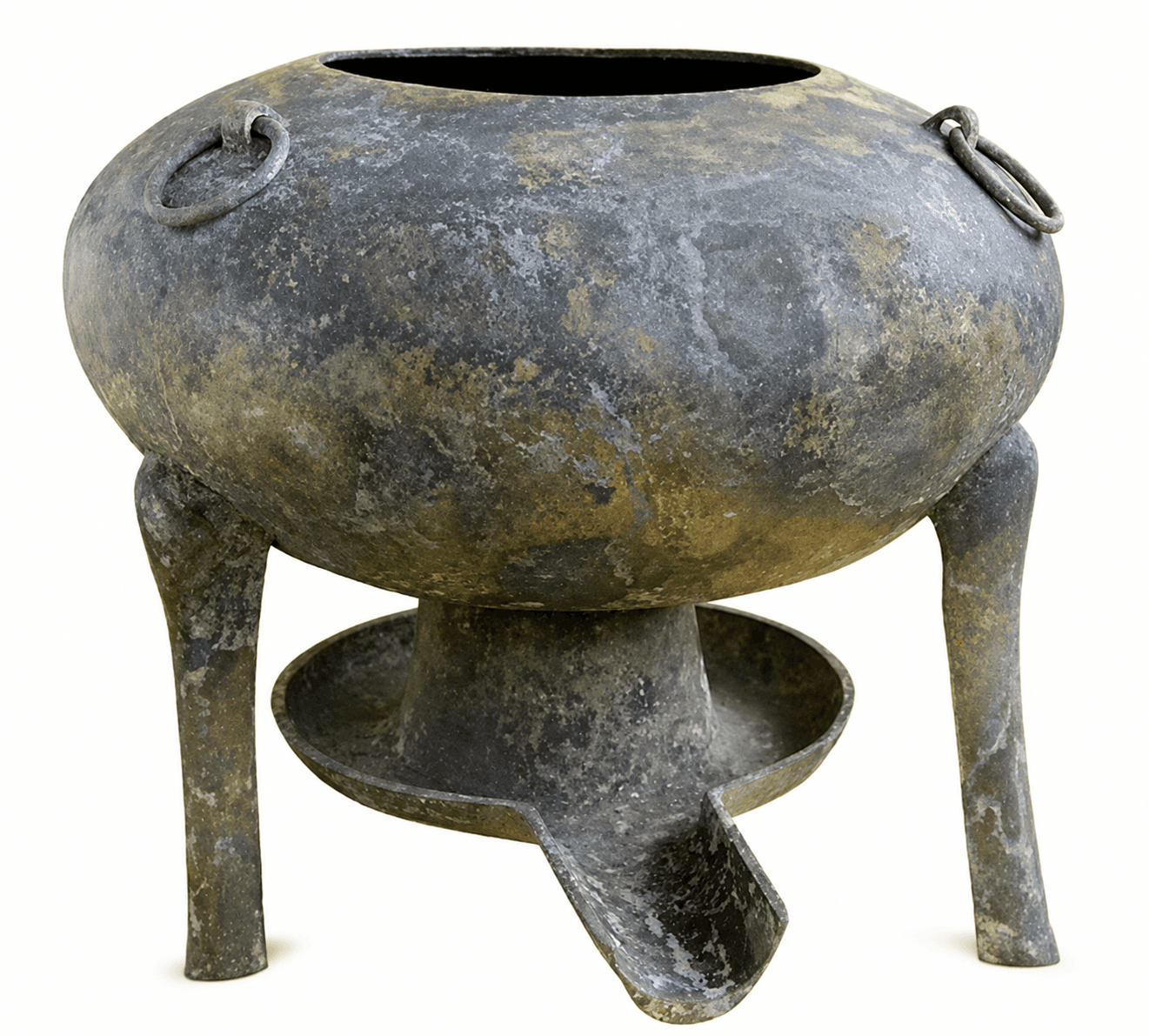
The Long, Simmering History of Hotpot in China
Hotpot is having a global moment, but its story stretches back more than two millennia. From Han tomb vessels to modern induction tables, the shared ritual remains the same: gather, simmer, and eat together.