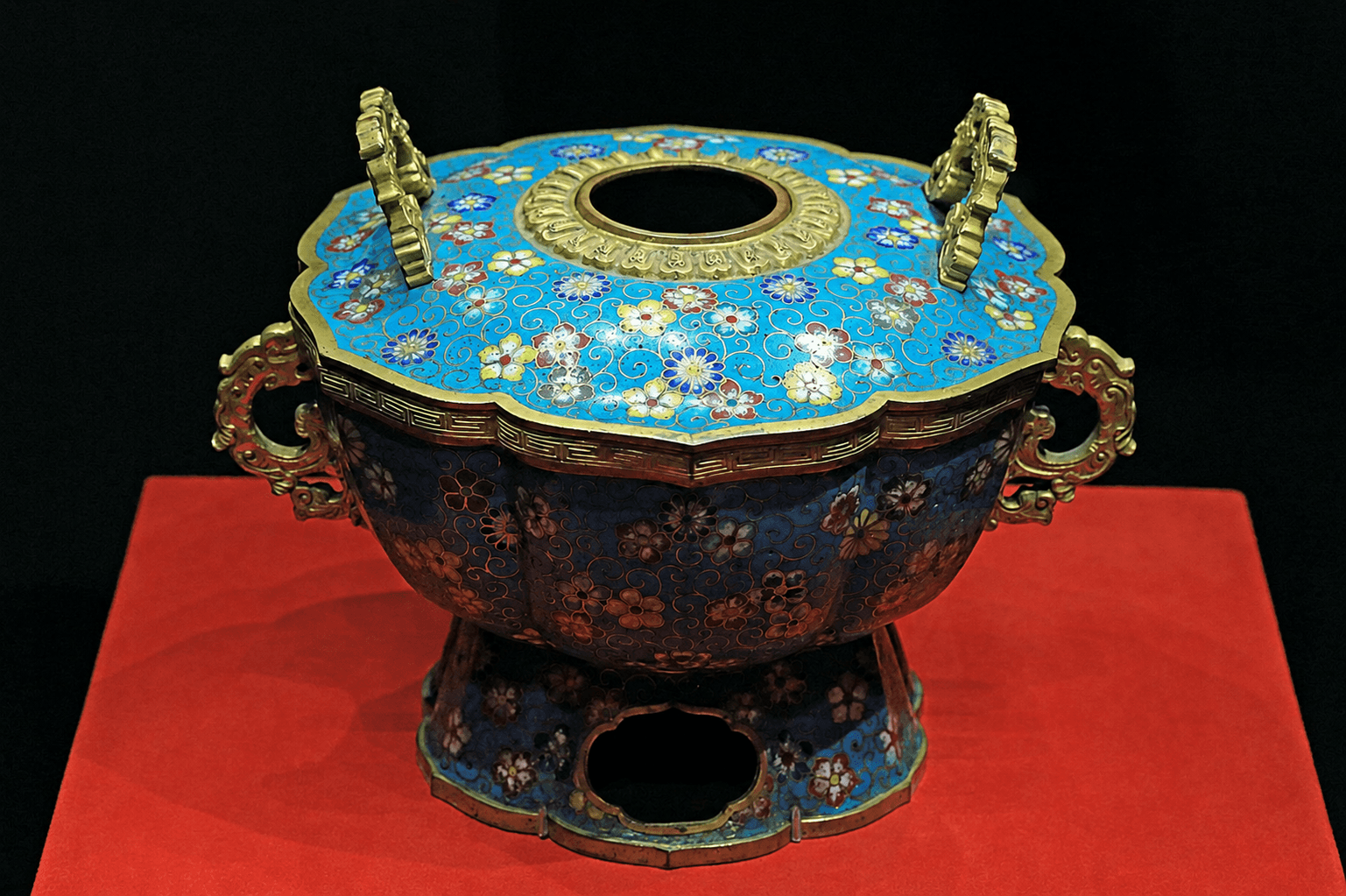
Hotpot is having a global moment, but its story stretches back more than two millennia. From Han tomb vessels to modern induction tables, the shared ritual remains the same: gather, simmer, and eat together.
Right now, hotpot is having a moment. Chongqing mala restaurants are opening faster than critics can review them. Chaoshan beef hotpot has gone from regional specialty to nationwide phenomenon. And across the world - from Los Angeles to London - a simmering pot at the center of the table has become one of the defining images of Chinese dining culture. But this is not a trend. It is a tradition more than 2,000 years in the making.
Origins in Antiquity
The origins of hotpot are still debated. Archaeological discoveries from the Western Han tomb of the Marquis of Haihun uncovered hotpot-like vessels, and records from the Three Kingdoms period describe bronze pots used to cook sliced meats. What began as a practical cooking method gradually became a cultural institution.
From Taverns to Literary Circles
By the Song dynasty, hotpot had moved into taverns and literary circles alike. One charming account from Lin Hong's Shan Jia Qing Gong describes a hermit in the snowy Wuyi Mountains cooking thin slices of rabbit in broth at a small charcoal stove - a scene of friends gathered in winter, eating freely and laughing beside the fire. Lin Hong named the experience Bo Xia Gong, "Plucking the Sunset Glow." In many ways, it still captures hotpot today.
Regional Styles Take Root
As centuries passed, the dish spread across regions and classes - from Mongolian territories during the Yuan dynasty to the imperial courts of the Ming and Qing. Distinct regional styles took root: Beijing's clean lamb hotpot with sesame sauce; Guangdong's delicate seafood-forward "side stove"; and Sichuan and Chongqing's fiery, numbing broth, born along the Yangtze among boatmen and dockside laborers who cooked cheap cuts of offal in chili and Sichuan peppercorn to ward off the damp cold. What began as survival food became one of China's most celebrated culinary traditions.
The Vessel Changed, the Ritual Did Not
The vessel changed - from bronze and clay to copper, iron, and eventually induction cookers - but the ritual never did. A pot at the center of the table. Ingredients cooked slowly, shared freely, eaten together.
That is the real reason hotpot endures. Not any single broth or ingredient, but the experience itself. Across two thousand years of history, that simple act of gathering around warmth has never gone out of style.
More in Things we do

Things we do
The Ancient Origins of Fast Food
White Castle, 1921. McDonald’s, 1948. We are fairly sure America invented eating standing up at a counter, in a hurry, out of paper. Pompeii had 158 of them.
Things we do
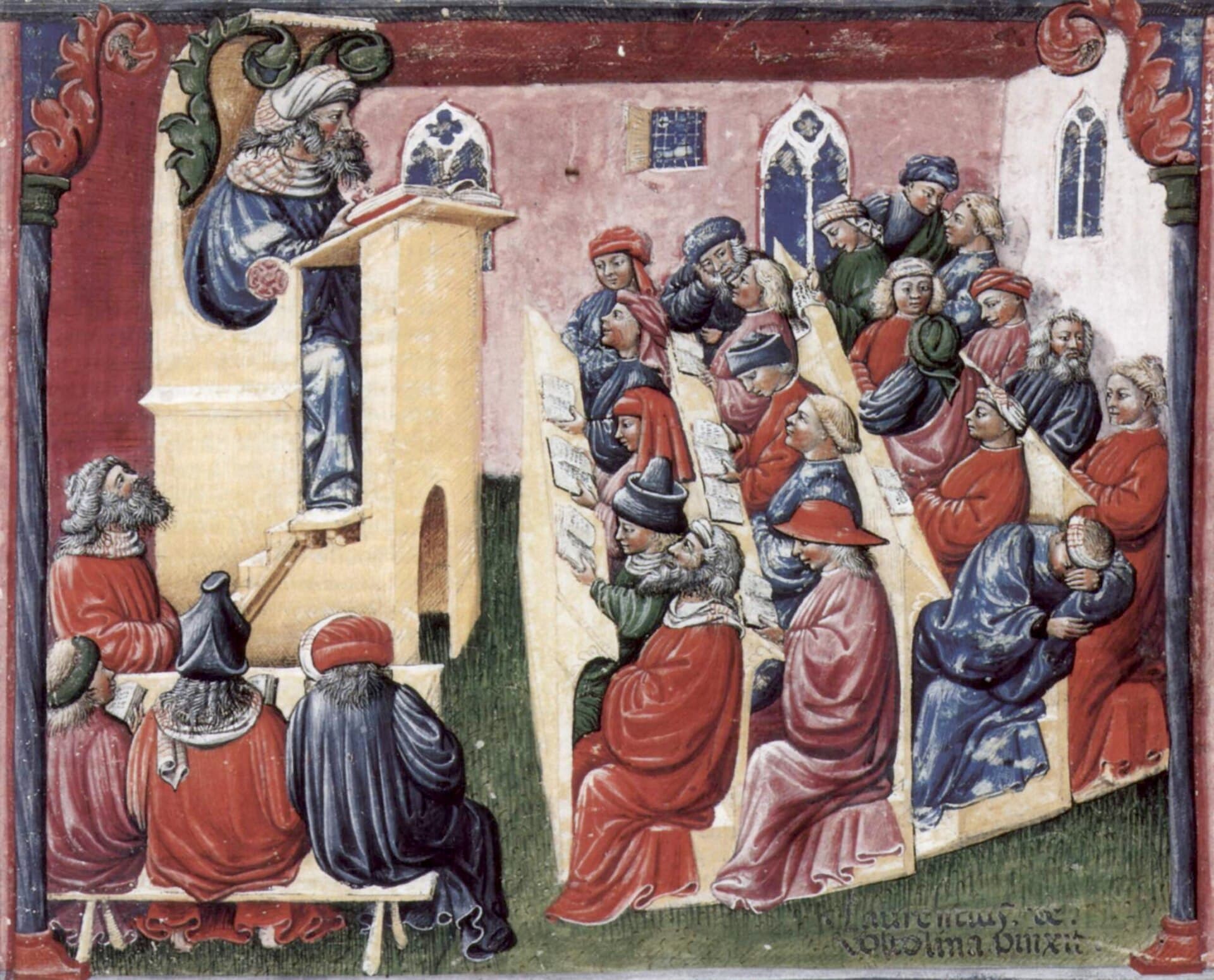
Why Do Graduates Dress Like Medieval Clerics? Blame the Cold
Every spring, millions of people put on a black tent, drape a strip of coloured silk down their back and balance a flat square board on their head. Nobody thinks this is strange. It is, in fact, the working uniform of a 13th-century churchman — right down to the hat, designed to keep a shaved head warm in an unheated stone room.
Things we do
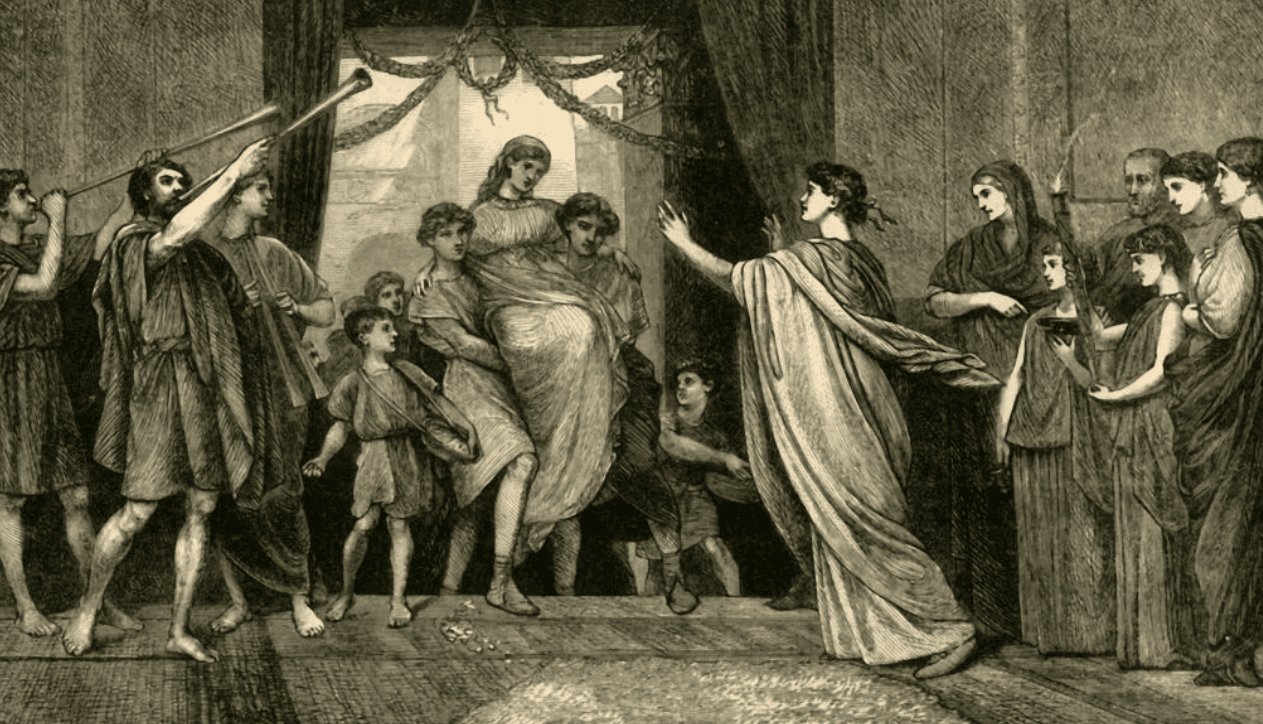
Why Do Bridesmaids All Dress the Same? Blame the Romans
If you have ever worn a dress identical to four other people at a wedding, you may have wondered who invented this peculiar custom. The answer leads back to Ancient Rome — and the original reason had nothing to do with photographs. It had to do with fooling demons.