White elephants were considered sacred animals in south Asia, especially in Siam (now Thailand). However, the upkeep of these enormous beasts was quite expensive. Kings often gifted these sacred anima
White elephants were considered sacred animals in south Asia, especially in Siam (now Thailand). However, the upkeep of these enormous beasts was quite expensive. Kings often gifted these sacred animals to other nobles and courtiers, it was an honor to receive one. The intent, however, was not often one of a noble present. The upkeep of Elephants was so expensive, that Kings often gifted these pachyderms to impose financial strain on people they did not really like. Basically, in a way it was sign of prestige and wealth to own a white elephant, while on the other it was a curse.
The gifting of a white Elephant was especially impossible to upkeep by courtiers. White elephants were to sacred to be put to work, they existed to be worshipped It was one of the most burdensome gifts you could receive and quickly ate away away at the wealth and reputation as people started thinking that the King didn’t like you.
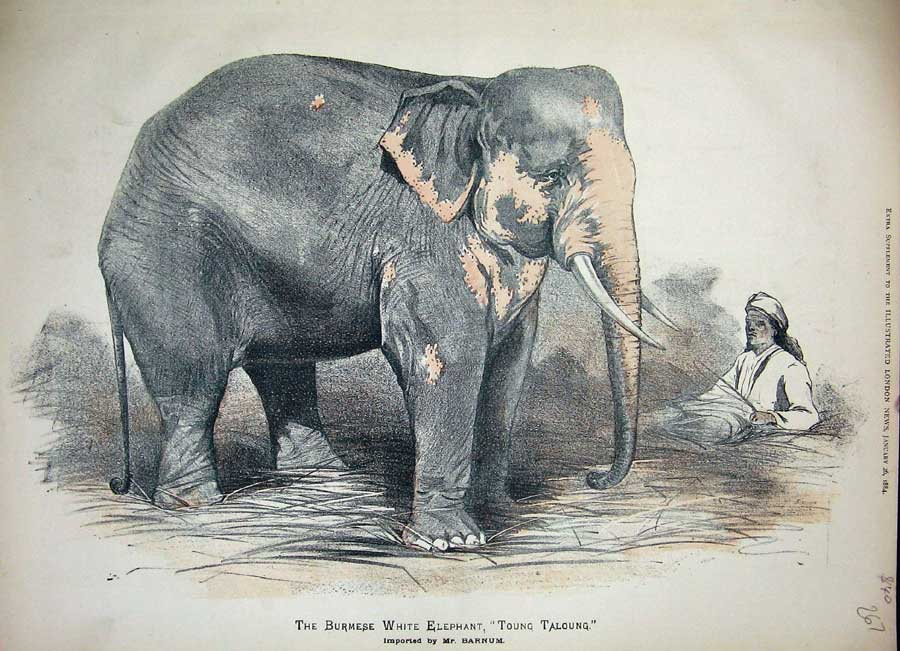
In Europe the “White Elephant” gift appeared in the 19th century in the form of Toung-Taloung, a white elephant from Burma. It was brought to England at great expense and with it came much disappointment. People lined up with enthusiasm to view the Elephant but were disappointed to see that it actually looked pink. Having become a burden, the elephant was sold to the US where it met the same fate- the crowd’s disappointment. The white elephant confirmed to be one more time an expensive, unwanted sacred, rare possession. Since then the tradition took off and the white elephant burden tradition continues with the white Elephant gift exchange of unwanted gifts.
References to learn more:White ElephantWikipediaWhite Elephant Gift ExchangeInteresting Answers
More in Things we say
Things we say
Ciao Really Means "I Am Your Slave"
It is the friendliest word in Europe — warm, quick, and said twice, once arriving and once leaving. It also began life as a way of telling someone that you belonged to them, and the word hiding underneath it is older and a great deal darker.
Things we say
Why does it Costs an Arm and a Leg?
This common expression for something expensive has a surprising history tied to early portraiture, war, and the price people literally paid to be remembered.
Things we say
The Discovery of The Exclamation 'Eureka!'
Archimedes leaping from his bath shouting 'Eureka!' is one of history's most famous moments. But what really happened, and why does this ancient Greek word still echo today?