Etc. is an abbreviation that we use often in writing and in common speech. The expression became very popular in the 1950s. But is it real Latin or not? Was it used the same way 2,000 years ago? Origi
Etc. is an abbreviation that we use often in writing and in common speech. The expression became very popular in the 1950s. But is it real Latin or not? Was it used the same way 2,000 years ago?
Origin of the Word
The word Etcetera (abbreviated Etc.) does indeed come from the Latin “et cetĕra” (Ceterus, remaining, the other things). It literally means “and the rest” but it’s often translated as “and similar things” or “and so forth”.
How it was used
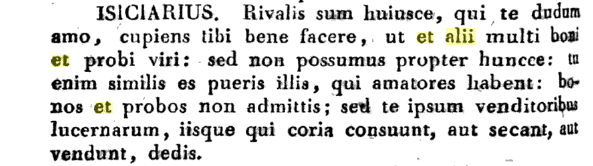
The Romans did however not use it much in this form. The ancient Latin speakers preferred the colloquial expression “et alii” which was far more common (alli meaning “and so on”, or “and also”). Interestingly enough, “Et alli” still lives on today especially when quoting references (et al) .
Et Cetera starts showing up in the middle ages were the expression became more popular, in old English the first written record appears around the years 1100-50. It is however only in the last century or so that this term has come to new life and is also used colloquially.
The Middle ages
Interesting fact: There are speculations that the Romans took the expression from the Greek “καὶ τὰ ἕτερα” meaning: ”and the other things”.
References: Webster Meridian, Wikipedia, Oxford Dictionary, Treccani, dictionary.com, Aristophanous kōmōidiai: Comoediae in Latinum sermonem conversae
More in Things we say
Things we say
Ciao Really Means "I Am Your Slave"
It is the friendliest word in Europe — warm, quick, and said twice, once arriving and once leaving. It also began life as a way of telling someone that you belonged to them, and the word hiding underneath it is older and a great deal darker.
Things we say
Why does it Costs an Arm and a Leg?
This common expression for something expensive has a surprising history tied to early portraiture, war, and the price people literally paid to be remembered.
Things we say
The Discovery of The Exclamation 'Eureka!'
Archimedes leaping from his bath shouting 'Eureka!' is one of history's most famous moments. But what really happened, and why does this ancient Greek word still echo today?