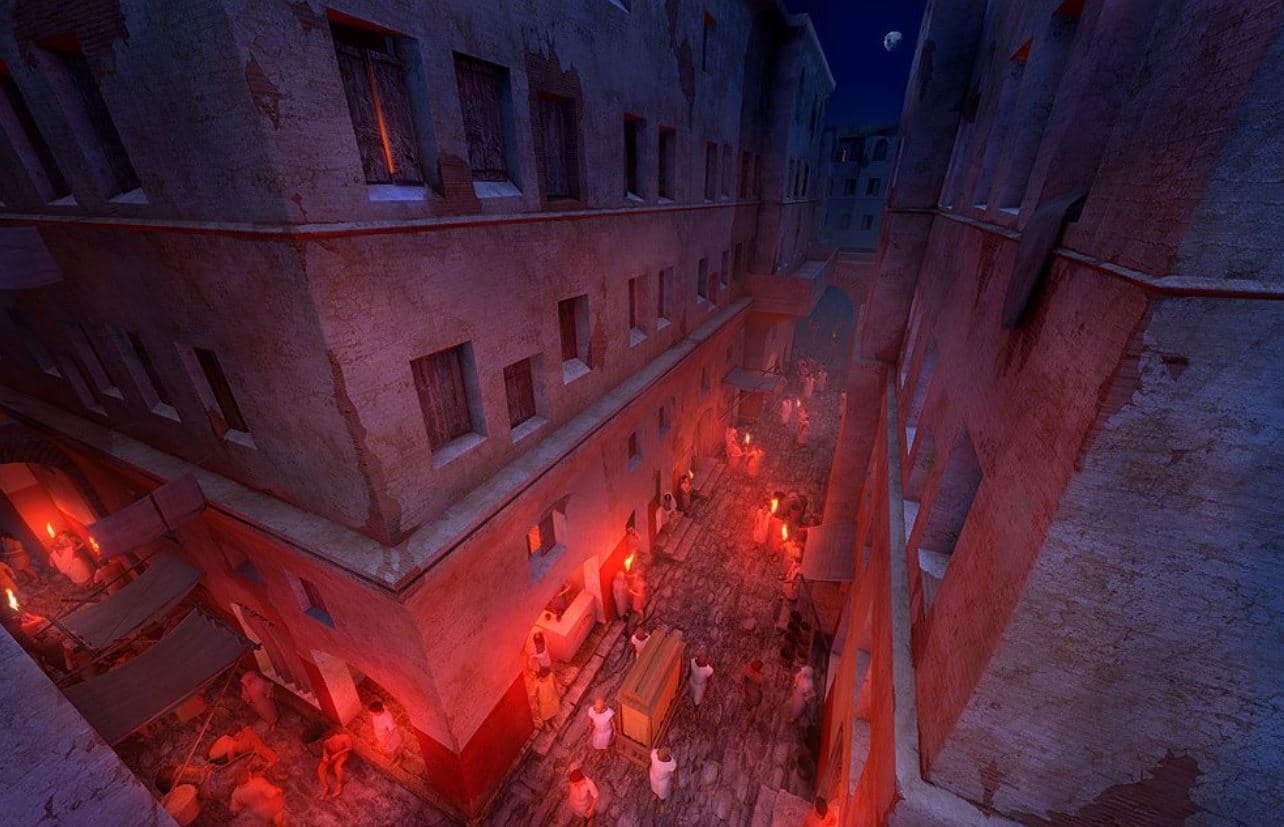
In the absence of a full moon the streets of ancient cities were pitch dark with almost no visibility. Muggers, thieves, and assassins thrived at night thanks to their ability to hide and surprise the
In the absence of a full moon, the streets of many ancient cities were pitch black, with almost no visibility. Muggers, thieves, and assassins thrived at night thanks to their ability to hide in shadows and surprise the unfortunate wanderer. In order to protect its citizens, the leaders of ancient cities had to find ways to shine light on dark streets.
Roman City Street Lights
Ancient Rome used oil lamps both inside and outside their homes. Certain household slaves called lanternarii (the plural of lanternarius) were wholly tasked with making sure these lamps were full of oil and lit at all times, including outside the house at night. In this way, private citizens shone light on dark public streets.
The First City to Shine Light
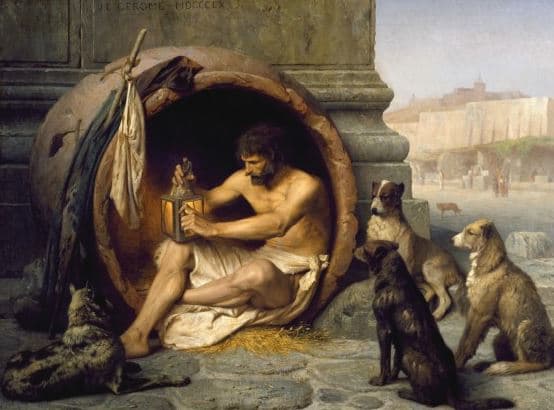
According to Libanius, a Greco-Syrian teacher and philosopher, the first municipality to use street lighting was the city of Antioch in the 4th century B.C. However, other cities in South Asia and in the Indus valley also lit their streets at night using various methods.
Shining Light in the Dark Ages
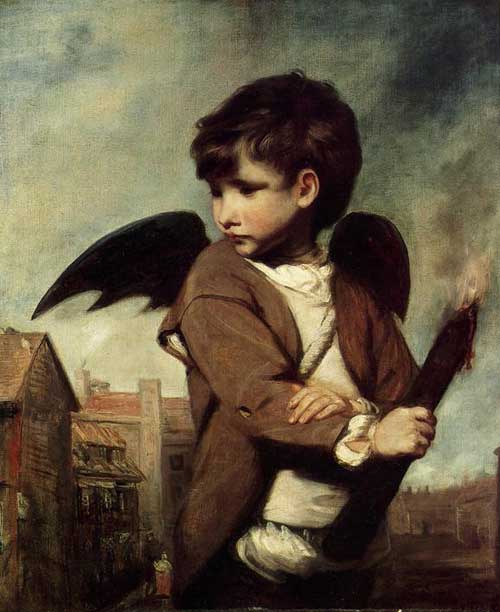
The strict class structure of Medieval times took advantage of the poor. Poor boys, desperate to earn money, often became “link boys” who would light their torches and accompany people through the streets for a few pennies. In the home, candles were becoming more popular and affordable, but candlelight was not strong enough to illuminate streets. Instead, newly improved glass oil lanterns took over from the old oil lamps. In 1417, the Mayor of London, Sir Henry Barton, sent out an edict ordering residents to illuminate the streets in front of their homes with oil lanterns, and London became the first European city to light up public streets using oil lamps.
In 1667, the French king, Louis the Great (The Sun King), followed London’s example in an effort to reduce nighttime street crimes, and this grand illumination earned Paris the nickname The City of Light.
Lighting the Dark with Gas
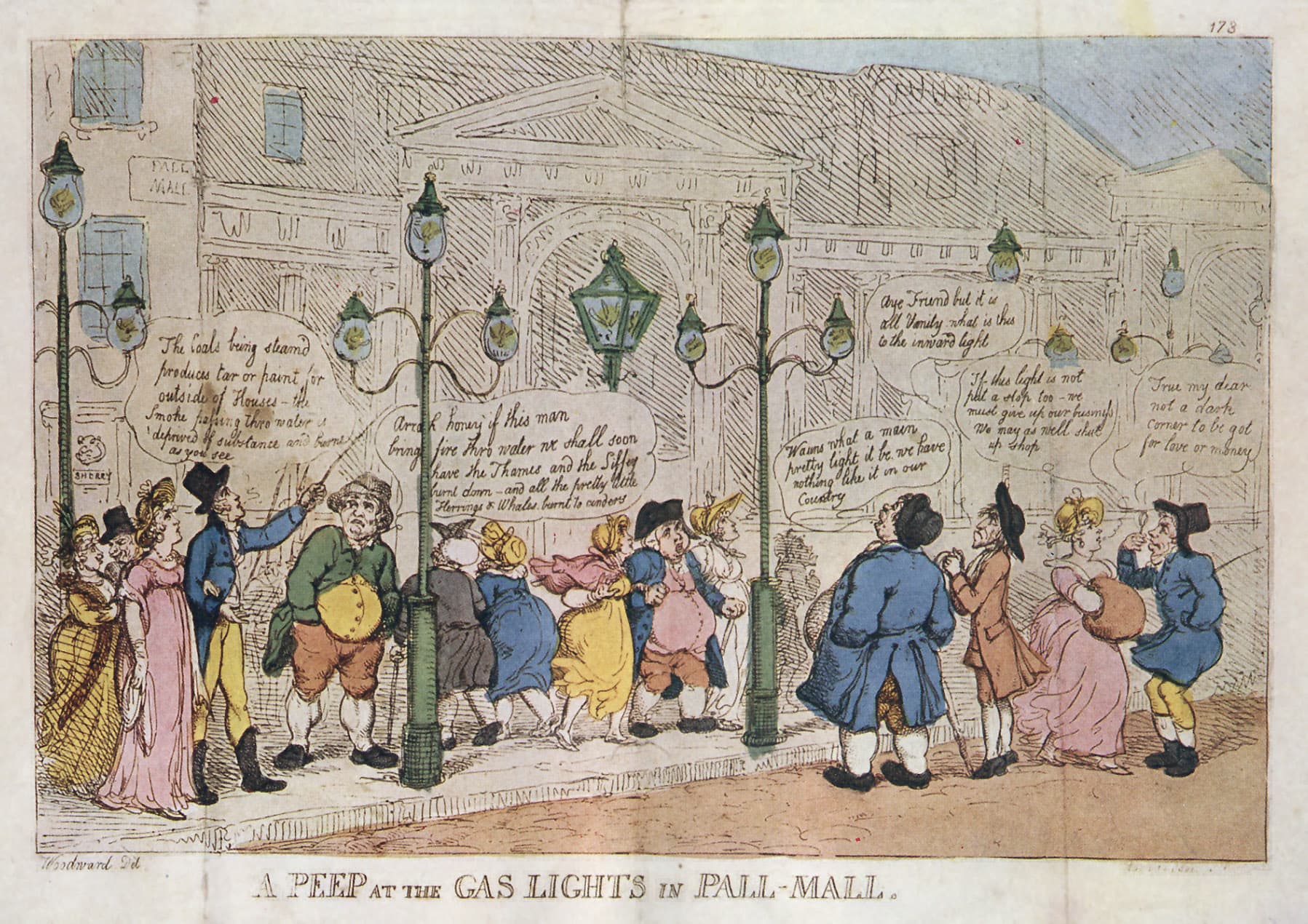
In the 1790s, William Murdoch started experimenting with different gases and found that coal gas was the best for lighting. After that discovery, Murdoch demonstrated to everyone in London the power of gas lighting by using it both inside and outside his home. Only a few years later, the British parliament established the first gas company. As a result, London became the first city to shine light on dark streets using gas.
Electrical Lights
In 1876, Los Angeles was the first city to use “arc” electrical lights. A few years later, Paris and London adopted the new technology. These days, electric lighting makes it possible to see global population centers at night from space.
More in Things we use
Things we use
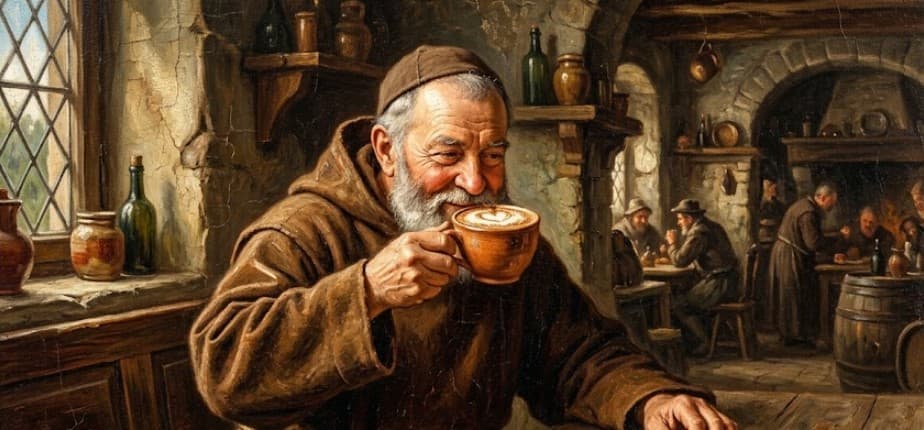
The Holy Origins of Cappuccino
You order one without thinking about it. It is named after a religious order — but not for the reason almost everyone thinks.

Things we use
Why Does an Hour Have 60 Minutes? Blame Babylon
Sixty seconds to the minute, sixty minutes to the hour, three hundred and sixty degrees to a circle. Not one of those numbers is a ten. We decimalised money, distance and weight — France even tried to decimalise the clock — and yet time still counts in sixties, because a civilisation in southern Iraq liked a number that divides cleanly.
Things we use
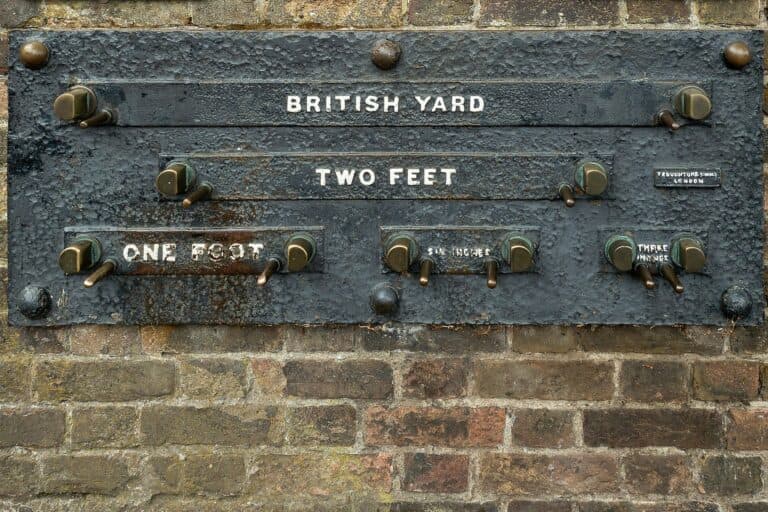
Measuring The Historical Yard
Before standardized measurement, kingdoms used body parts as units. The yard was once literally the length of a king's arm. Explore the chaotic world of historical measurement.