The crisscross-shaped pretzels are often associated with Danish, Scandinavian, or German treats. They did, however, not originate in northern Europe.
Crisscross-shaped pretzels are often associated with Danish, Scandinavian, or German bakeries. Pretzels did not, however, originate in northern Europe.
Pretzels as a Little Reward
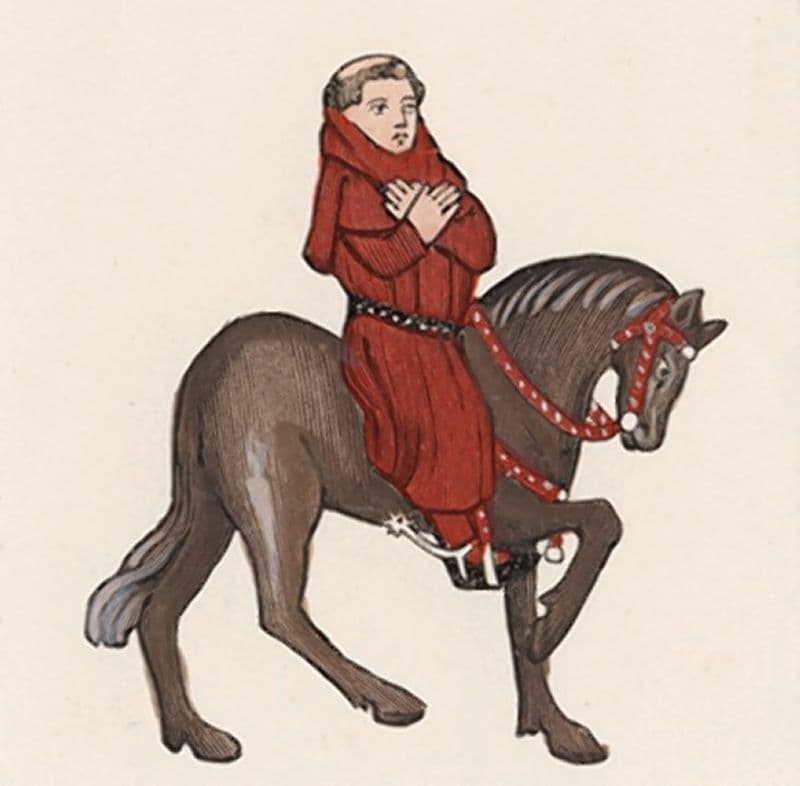
In medieval Italy, 7th Century monks began baking dough that had been shaped in a way to resemble folded arms. These treats were then given to children as a little reward for memorizing a prayer. In colloquial Latin, these “little rewards” were called pretiola, which eventually evolved to pretzel.
Since pretzels were made out of simple ingredients, these delicious baked treats could also be easily distributed during Lent, a period of six weeks in the Easter season when devout Christians would avoid certain foods. The religious association of pretiolas raised the humble pretzel to become a symbol of good fortune and prosperity. Pretzels were often distributed to the poor as a means of physical and spiritual sustenance.
The Pretzel, Marriage, and Germany

Depending on how they are made, pretzels can range from soft and chewy to hard and crunchy. The first pretzel recipe in Italy created soft and chewy pretzels. When the treat reached Germany, German bakers adapted the recipe and re-named them bretzinella and, later, the bretzel. A short dip in a simmering lye bath before they were cooked gave bretzels a chewy exterior.
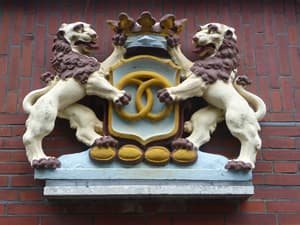
In 1614, a royal couple in Switzerland used pretzels during their wedding festivities, which helped turn pretzels into a Swiss symbol of love. There is a theory that this is where the saying “tying the knot” comes from. It is likely that is was during this time that pretzels became popular in northern European countries. German children started wearing pretzel-shaped pendants on New Year’s as a charm for good fortune and prosperity.
How the Pretzel Saved Western Civilization
Fun fact: pretzels may have saved western civilization. During the Battle of Vienna in 1510, invading Turks sought a way into the city of Vienna to defeat a combined European coalition. The Turks, unable to scale the walls, attempted to dig tunnels beneath them at night. Fortunately for the Viennese, monks were busy baking pretzels in the basement of their monastery. The group of monk bakers heard suspicious noises and quickly alerted the city council, thus saving the city.
The Pretzel Arrives in America
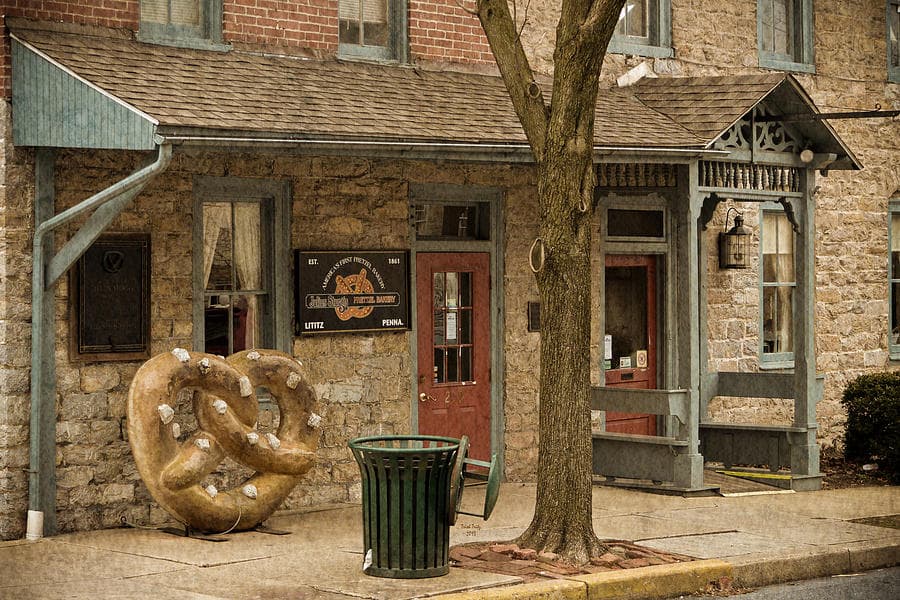
Pretzels arrived with some of the first English colonists to the New World on the Mayflower at Plymouth Rock. The colonists used the baked treats to trade with the natives. Much later, a German man by the name of Julius Sturgis founded the first commercial bakery in Lititz, Pennsylvania, in 1951. Pretzels are now popular all throughout the United States, with all types sold in grocery stores and bakeries in every part of the country.
References to Learn More:
The Pretzel: A Twisted History – HISTORYOrigin of the Pretzel (oktoberfesthaus.com)Pretzel – WikipediaThe Religious History of Pretzels | Food & Wine (foodandwine.com)The History of Pretzels (todayifoundout.com)
More in Things we use
Things we use
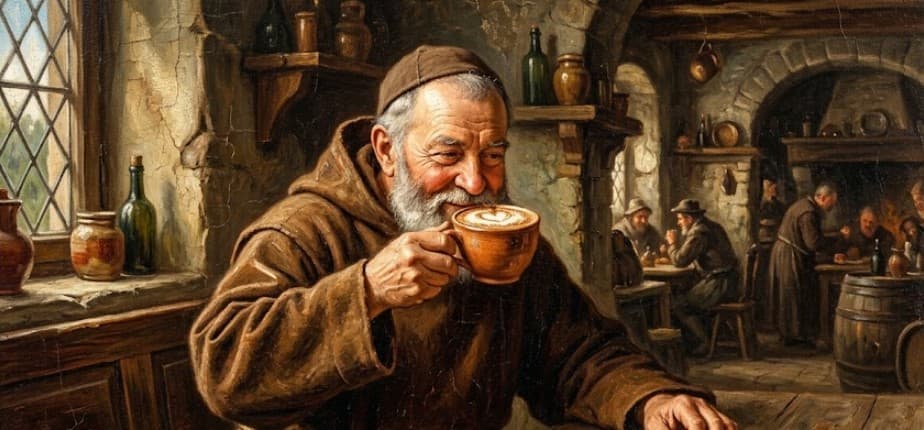
The Holy Origins of Cappuccino
You order one without thinking about it. It is named after a religious order — but not for the reason almost everyone thinks.
Things we use
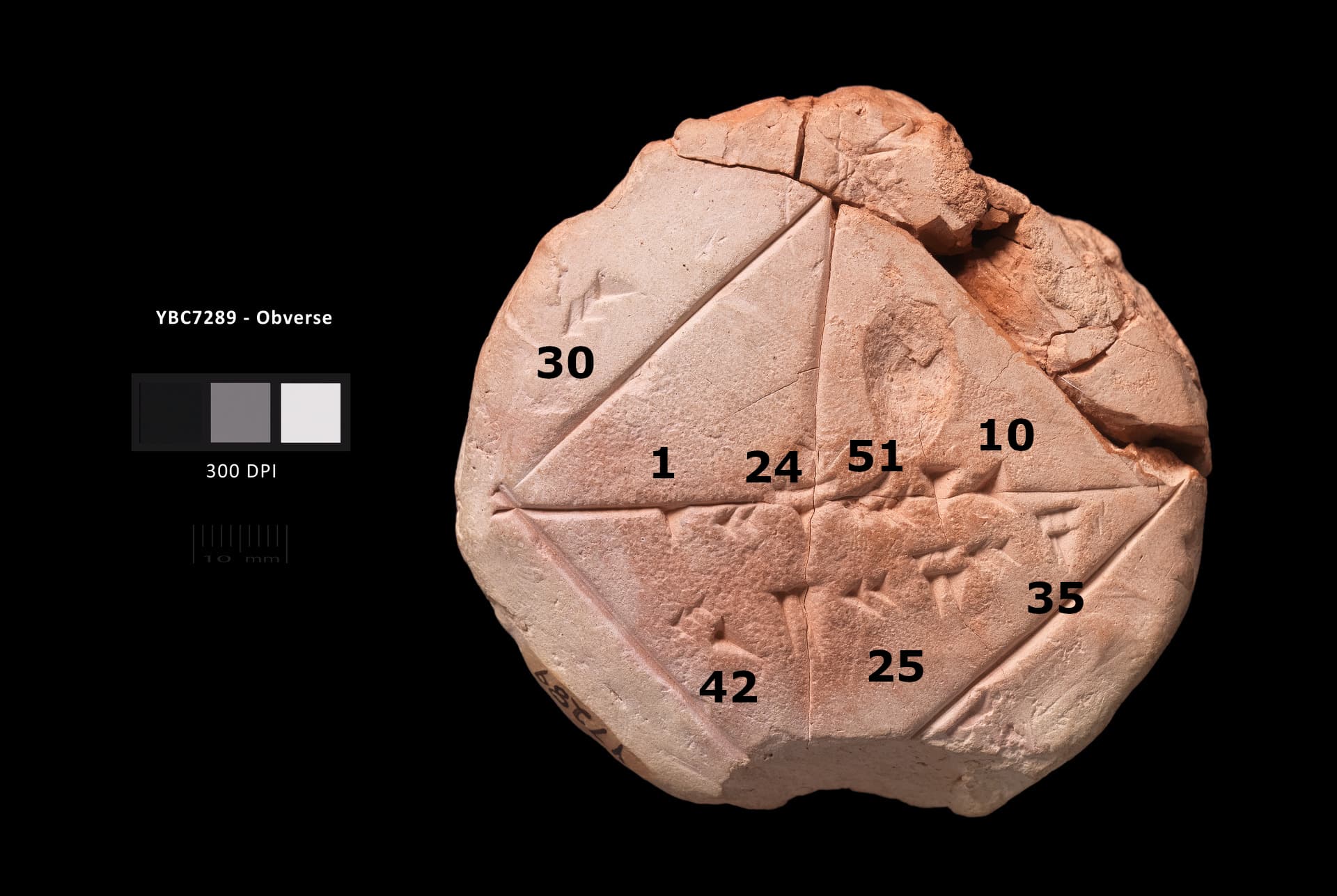
Why Does an Hour Have 60 Minutes? Blame Babylon
Sixty seconds to the minute, sixty minutes to the hour, three hundred and sixty degrees to a circle. Not one of those numbers is a ten. We decimalised money, distance and weight — France even tried to decimalise the clock — and yet time still counts in sixties, because a civilisation in southern Iraq liked a number that divides cleanly.
Things we use
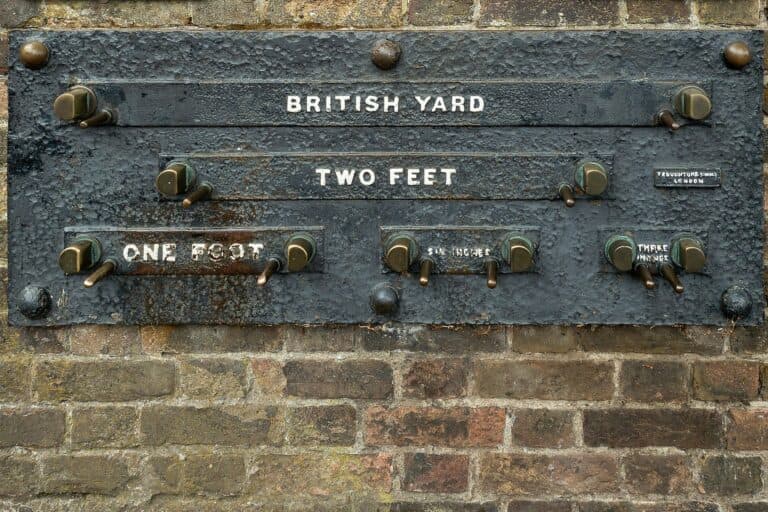
Measuring The Historical Yard
Before standardized measurement, kingdoms used body parts as units. The yard was once literally the length of a king's arm. Explore the chaotic world of historical measurement.